
At what point do you stop calling yourself “middle-aged”? For several years, I have used a blog title of “Random Middle-Aged Musings” bu after a hiatus of over a year, I decided to restart posting some of my writings and began to question the title. Now that I am past the 65-year mark, can I still refer to my thoughts as middle aged musings? If not, what do I call them? I don’t want to call them “old age grumblings” (though many may be just that). I started looking around to see what the current terminology was for my current stage of life. I am in that past 65, not quite retired, still active phase that some are now calling “late adulthood”. The more I read, the more I think this may be the way I refer to my status now. I don’t really like using “mature” since I think most people should mature well before 65. I also do not like using “senior” since in my heart and mind I don’t feel like I had imagined a “senior” would feel. I guess if you looked at my medical records, though, senior might be close to the mark.
One reference talked about adjusting to some of the key parts of late adulthood and included gaining wisdom, new routines, health focus, and social connections. I can see where this fits nicely. As most of us know, experience is a great teacher. Changing from a 30-plus year career is going to result in different daily and weekly routines. At some point with aging the focus changes, however subtly, from building strength and endurance to maintaining the ability to easily carry out daily activities. And maybe the most important is realizing that close friendships are a vital part of enjoyment in life.
Shifting from a long career in primary care medicine took a leap of faith. With some health issues and remote grandchildren, my wife and I decided to move into a retirement phase, leaving our practice and setting up more time with the grandsons. In the process of transitioning into retirement, I was offered a consulting position that allowed me to continue with some of the things in my work that I found rewarding and not be tied to the requirements that are more stressful and prone to burnout. I now have the opportunity to share my experiences with healthcare workers who are younger in their careers and provide optional mentoring that can be difficult in today’s work environment.
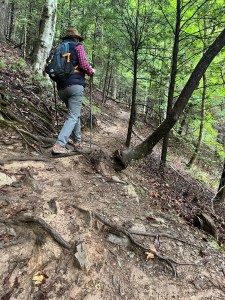
While forcing a need to change daily routines I had the opportunity to move into more freedom in activity opportunities. I can now take leisurely walks in the middle of the day, go on hikes, play with the grandsons, and take chunks of time out of the day to pursue interests (such as museums, bird watching, or napping). Having a schedule that is much more free lets me work with my personal timeframes which frequently involve early morning or late night messaging or writing. For the first time in many years, flexibility in my time has become a major asset.
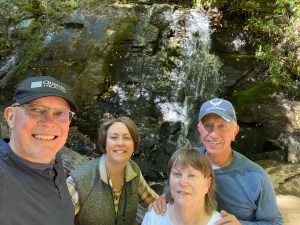
My favorite part of transitioning into late adulthood, though, is the growing of friendships and social connections. No longer do I feel any obligation to socialize for intention. My closest friends (who are mostly in the same phase of life) are becoming a bigger part of our weekly planning. While working full-time we would get together occasionally, sometimes once a month. Now, a week doesn’t go by that we have not had either intentional or spontaneous get-togethers (usually more than one). The friendships are growing, as they should.
As I continue this transition I see a foreshadowing that my work will become less and less a part of what I do and there will eventually become a void that I want to intentionally fill. Part of that, I think, will be writing down what goes through my mind. With that, I hope to loosely commit to writing more. Not on a schedule but just when the time is right. The sharing part is now not for others, but for myself.











 Transitioning Into Late Adulthood